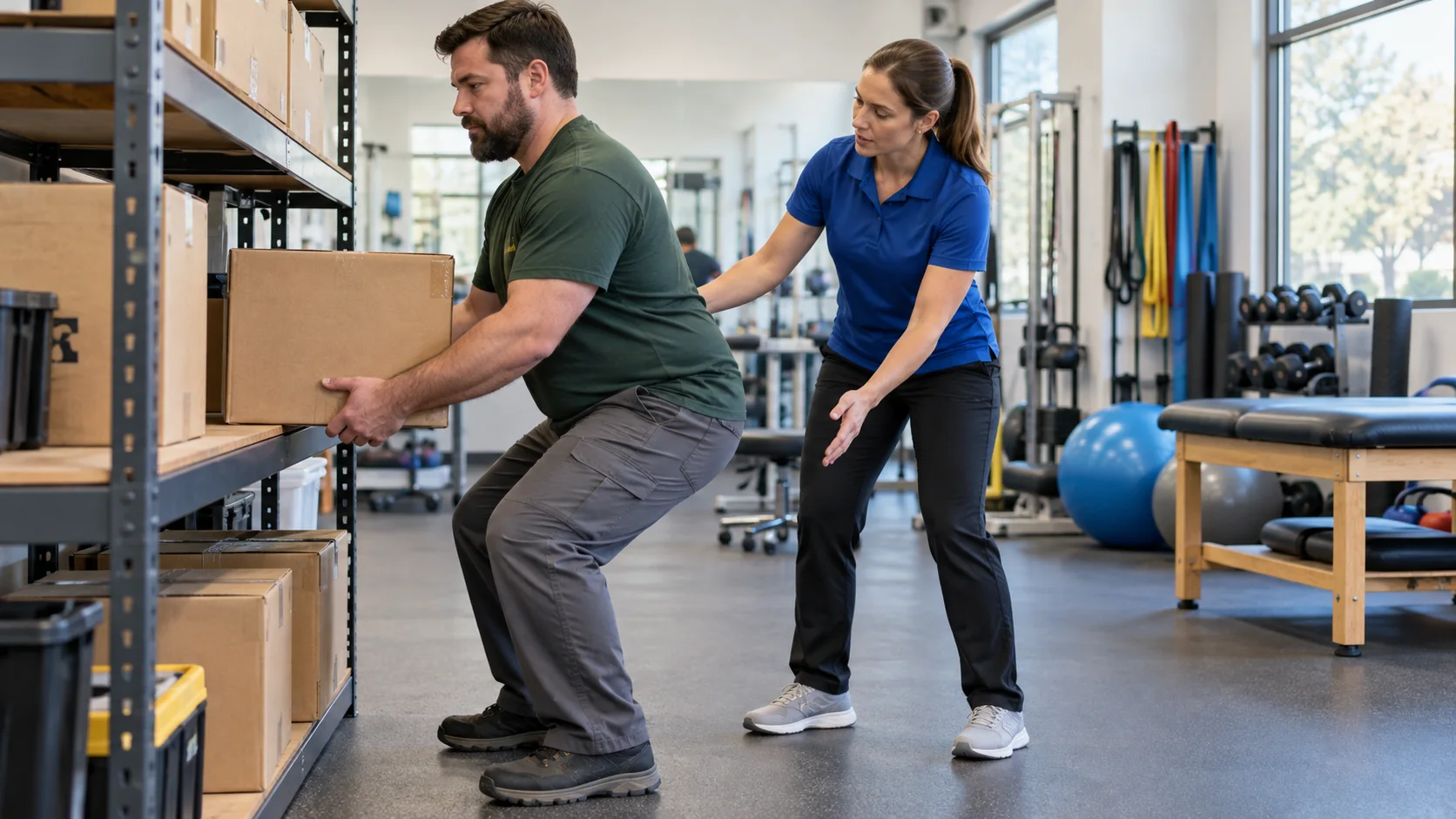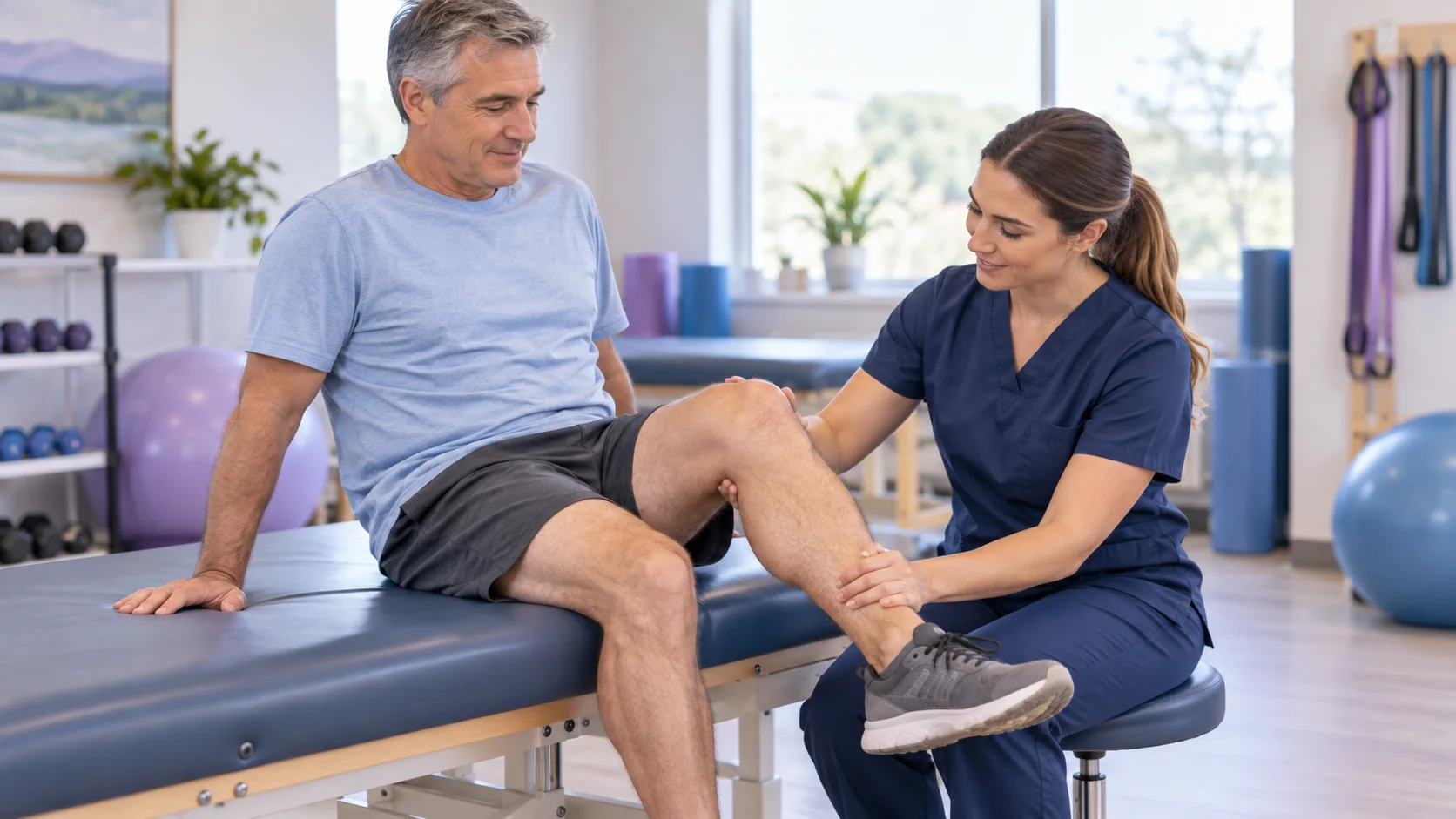
Surgery can address a damaged joint, torn tendon, compressed nerve, or unstable fracture, but returning to daily life often involves a separate process of rebuilding movement and function. Getting dressed, walking, gripping a tool, sleeping comfortably, and managing stairs may still require time and practice.
Physical therapy can support that process when it is appropriate to your operation and needs. The plan should reflect what was repaired or replaced, the stage of healing, and your surgeon’s instructions. Two operations in the same body area may have very different restrictions, and not every procedure requires routine supervised therapy.
Why the exact procedure matters
The size of an incision does not tell you how much protection the tissues need. An arthroscopic tendon repair may need careful protection even when the skin wounds are small. A fracture repair depends on bone healing, while a fusion intentionally limits movement at a joint or spinal segment.
Bring the operation name, procedure date, referral, and current rehabilitation protocol. Tell your therapist about braces, slings, boots, permitted weight-bearing, and any movement or lifting restrictions. Those instructions guide what can begin now and what must wait.
Back surgery: decompression, discectomy, fusion, and disc replacement
Common lumbar procedures include discectomy or microdiscectomy to remove selected disc material, laminectomy or other decompression to create space around nerves, and foraminotomy to enlarge a nerve opening. Rehabilitation may address walking, daily transfers, trunk and hip capacity, and gradual activity tolerance, according to the postoperative plan.
Lumbar fusion may use an anterior, posterior, or other approach, including an interbody technique. The fused segments need protection while healing. Therapy does not try to restore movement at those levels; it develops useful function, appropriate movement elsewhere, and strength within the restrictions provided.
Disc replacement has a different surgical goal and may follow a different progression from fusion. A minimally invasive approach also does not eliminate activity limits. Your therapist needs the actual procedure details before selecting exercise, stretching, loading, or hands-on techniques.
Neck surgery: cervical fusion, disc replacement, and decompression
Neck procedures may include anterior cervical discectomy and fusion (ACDF), cervical disc replacement, posterior decompression, foraminotomy, or fusion. A plan may work toward permitted neck and shoulder movement, arm control, walking, and tolerance for everyday positions.
Collar use, neck motion, lifting, and resistance exercises follow the surgical instructions. Do not add traction, manipulation, or forceful stretching independently. Driving is a separate safety decision that requires appropriate clearance, movement, control, and consideration of medication effects.
Carpal tunnel release: individual needs rather than automatic therapy
Carpal tunnel release reduces pressure on the median nerve at the wrist. Recovery can involve changes in sensation, palm tenderness, or temporary difficulty with gripping and daily hand use. Some people recover with surgeon-directed home guidance and do not need a routine supervised therapy course.
AAOS guidance advises against routinely prescribing supervised therapy after carpal tunnel release. When persistent limitations or individual circumstances warrant assessment, suitable rehabilitation may address approved motion, sensitivity, healed-scar concerns, and graded task use. The recommendation should respond to the problem present rather than assuming everyone needs the same visits.
Knee surgery: replacement, ligament reconstruction, and meniscus procedures
After a total or partial knee replacement, therapy commonly addresses permitted bending and straightening, thigh-muscle function, walking, chair rises, and stairs. The goals are practical: moving around the home, getting into a car, and building tolerance for necessary activities.
ACL reconstruction, meniscus repair, partial meniscectomy, patellar or quadriceps tendon repair, and fracture fixation are different operations. A repaired meniscus may need limits on bending or loading that do not apply in the same way after trimming damaged tissue. Tendon repairs may require specific brace settings and protection before active strengthening.
Later rehabilitation may focus on controlled squatting, kneeling when allowed, lifting, running, or sport tasks. Readiness depends on healing, performance, and medical guidance rather than simply reaching a date on the calendar.
Shoulder surgery: cuff repair, stabilization, replacement, and biceps procedures
Rotator cuff repair may require a progression from protected passive movement to assisted motion, active use, and later strengthening. Labral repair or stabilization can restrict particular arm positions. An anatomic shoulder replacement and a reverse replacement have different movement and muscle considerations.
Biceps tenodesis or another biceps procedure may add restrictions on elbow bending, forearm rotation, or lifting. Rehabilitation can connect the permitted stages with dressing, reaching, carrying, and work tasks. Using the arm because it feels comfortable is not the same as clearance to load a healing repair.
Hip surgery: replacement, arthroscopy, and fracture repair
Hip replacement rehabilitation may work on walking with an appropriate device, leg strength, balance, transfers, and daily activity. Precautions depend on the approach, the tissues involved, and the surgeon’s plan; do not assume another patient’s restrictions apply to you.
Hip arthroscopy may involve a labral repair, treatment for impingement, or another procedure inside the joint. Motion, weight-bearing, and exercise limits depend on what was done. After hip fracture fixation, loading also reflects fracture healing and surgical instructions. Goals may include stairs, getting out of a chair, and a useful walking pattern.
Elbow, wrist, hand, and finger procedures
Elbow surgery may include distal biceps repair, fracture fixation, or a nerve procedure. Rebuilding elbow motion and handling capacity must account for limits on pulling, lifting, and resisted forearm rotation. A nerve-release operation has different priorities from a tendon repair.
Wrist fracture fixation, scaphoid surgery, and TFCC or ligament repair may need protection before forceful grip, rotation, or weight through the hand. Hand procedures such as thumb-base reconstruction and finger procedures such as tendon repair, fracture fixation, or trigger finger release also require their own progression.
When appropriate, rehabilitation can address permitted motion, swelling-related limitations, dexterity, and gradual grip or pinch function. Complex repairs may require specialist hand therapy or custom orthoses. Confirm the services needed with the referring team before scheduling, and do not replace a tendon-repair protocol with an online squeezing routine.
Ankle and foot surgery: rebuilding walking without rushing healing
Ankle fracture fixation, ligament reconstruction, Achilles repair, and ankle arthroscopy can require different rules for boot use, motion, stretching, and weight-bearing. Therapy may progress from approved mobility and device use toward calf strength, balance, walking, and stairs.
Foot procedures may include metatarsal fixation, Lisfranc stabilization, heel-bone fracture repair, bunion correction, or selected joint fusions. The plan should identify which joints may move and which are intended to remain fused. Footwear tolerance, forefoot loading, and walking distance are progressed according to the operation.
What physical therapy can contribute across procedures
Your evaluation identifies the limitations that matter to you. A plan may include permitted range-of-motion work, progressive strengthening, walking or balance training, functional activity practice, and education. Hands-on care or symptom-management tools are selected when appropriate; a fresh repair is not automatically ready for massage, heat, or stretching.
Useful progress measures can include a movement range, task quality, strength, activity tolerance, or the assistance needed for an everyday task. A home program should explain what to do, what to avoid, and which responses to report. Work or sport goals can be added when they fit the stage of recovery.
Prepare, communicate, and know when to ask for help
Share updated instructions after each surgical follow-up. Ask when to begin therapy, whether movement is passive or active, what loads are allowed, and whether a specialist or particular device is needed. Call about increasing wound redness, drainage, fever, or unexpected symptom changes according to your discharge guidance.
Chest pain, sudden breathing difficulty, or severe new neurological symptoms require urgent medical assessment. After spine surgery, new bowel or bladder problems, saddle numbness, or rapidly worsening weakness need emergency attention.
Greenbelt Physical Therapy & Sports Medicine can discuss your referral, recovery goals, and the rehabilitation appropriate to your procedure. Explore our Post-Surgical Rehabilitation guides or contact the office with your surgeon’s instructions. We focus on a measured return to useful activity without promising a uniform timeline or outcome.
Bring These Questions to Your Surgeon or Therapist
- What exact procedure and additional repairs were performed?
- Which movements, loads, and activities are permitted now?
- When should therapy begin, and is specialist hand therapy or an orthosis required?
- What symptoms should lead me to call the surgical team?
- What goals will help determine readiness for work, driving, exercise, or sport?
Common Questions
Does every surgery require supervised physical therapy?
No. The need depends on the operation, recovery findings, and medical guidance. Routine supervised therapy is not recommended after every carpal tunnel release, for example; persistent limitations may justify an individualized assessment.
Can two patients with the same surgery recover at different speeds?
Yes. Tissue quality, additional repairs, health conditions, surgical instructions, and functional demands can change the progression.
Should I push through pain to recover faster?
Do not force a protected movement or exceed restrictions. Your therapist should explain acceptable responses for your procedure and adjust activity when symptoms suggest it is too much.
Can therapy clear me to return to work or sports by itself?
Rehabilitation provides functional information and preparation. Clearance and restrictions depend on your medical team and the requirements relevant to the activity or work assignment.
Further Reading
ChoosePT: Benefits of Physical Therapy ↗AANS: Spinal Pain and Surgical Procedures ↗AAOS: Total Hip Replacement ↗AAOS: Hip Arthroscopy ↗AAOS: Carpal Tunnel Clinical Practice Guideline Update ↗AAOS: Rotator Cuff Surgical Treatment ↗AAOS: Total Knee Replacement ↗ASHT: Hand and Wrist Patient Education ↗Reviewed against official guidance: October 16, 2026. Confirm current forms and requirements with the responsible agency.
General educational information, not a diagnosis or individual treatment or legal advice. Your clinician can discuss your medical needs; an appropriate legal professional can address claim questions.
Your Comeback Starts Here
Physical Therapy in Greenbelt, Maryland
Greenbelt Physical Therapy & Sports Medicine Inc.
7241 Hanover Parkway, Suite A
Greenbelt, MD 20770