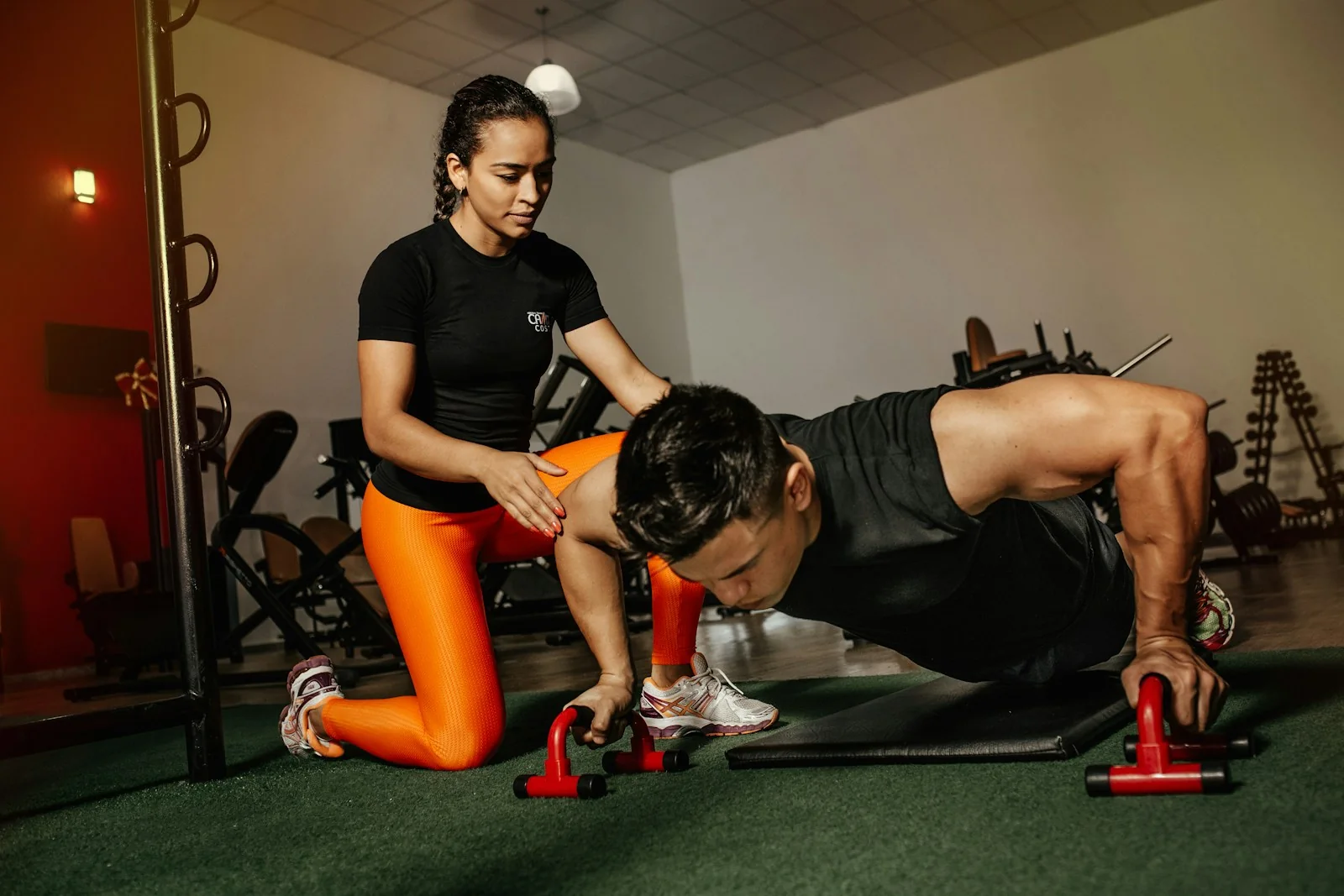
A treatment plan tailored to your work injury, stage of healing, current abilities, and the movements required by your job.
At Greenbelt Physical Therapy & Sports Medicine, we listen to your concerns, assess your movement, and develop a plan around the activities that matter to you.
A Plan for Your Next ChapterYour movement. Your routine. Your goals.
Work-Focused Support
A Recovery Plan Built Around Your Injury and Your Work.
Two employees with similar diagnoses may need very different rehabilitation. A delivery driver who repeatedly steps into a vehicle, a worker lifting materials, and an employee using hand tools each face distinct physical demands. Your goals and evaluation findings help shape the treatment selected for you.
We build a plan around the limitations identified during your assessment and the instructions from your treating medical team. Your therapist considers the affected tissues, symptom irritability, healing stage, strength, mobility, and tolerance for activity. The aim is to turn clinical progress into practical improvements in approved work duties and everyday function.
Care decisions connect your clinical findings with the duties and activities that matter to you.
Treatment That Matches the Injured Area
A shoulder injury may require graded reaching and arm control; a knee injury may need motion, thigh strength, and step practice. We focus on the findings relevant to you and avoid assuming that every patient with the same diagnosis needs the same techniques.
From Clinic Exercises to Work Tasks
As appropriate, treatment can connect strength and mobility work with permitted lifting, carrying, tool handling, transfers, or standing demands. Early practice may simplify a task by changing the load, height, speed, or amount of assistance before increasing the challenge.
Progress Between Appointments
Your home program may include selected exercises, pacing, position changes, and practical movement strategies. We explain how to perform the activities and what responses to report. Let us know if equipment, space, symptoms, or your schedule makes the plan difficult to follow.
Your Feedback Changes the Plan
Tell us how the injured area responds during the visit, later that day, and during approved duties. New symptoms, a changed work assignment, or updated medical instructions may call for an adjustment. Progress is judged by useful function as well as comfort, without promising a fixed recovery date.
What to Expect
A Clear Path Forward
01 /
Set Meaningful Priorities
We choose goals connected to the tasks your injury affects, such as controlled reaching, walking a relevant distance, or managing a permitted load. Current medical restrictions guide the starting point.
02 /
Combine Appropriate Treatments
Your therapist selects exercise, functional movement practice, education, and other appropriate care to address your specific limitations. You receive instruction and feedback rather than a one-size-fits-all routine.
03 /
Reassess and Progress
Symptoms, movement quality, and functional measures help determine the next step. Resistance, repetitions, task complexity, or rest may change as your response and medical guidance allow.
Before Your Appointment
Prepare for Your Visit
Bring the referral and authorization information for your work injury, current medical restrictions, and any updates from your treating provider. Share a job description or practical examples of essential duties. Wear comfortable clothing and bring questions about your home program, work tasks, or symptoms between visits. Tell your therapist about medication changes, new procedures, or a change in work status.
Call our team before your appointment if you are unsure which documents or approvals are needed.
Not necessarily. Some repetition is useful for learning and building capacity, but the plan is reviewed and adjusted according to your progress, symptoms, and medical instructions.
Can treatment be adapted to light-duty work?
Yes. Explain your current duties and restrictions so your therapist can choose relevant activities. Rehabilitation does not independently change employer assignments or medical work restrictions.
Will I receive every modality listed on the website?
No. Your therapist selects treatments for a defined clinical purpose. More treatments do not automatically mean better results; each approach should contribute to your goals.
How does this differ from work conditioning?
Individualized rehabilitation addresses the clinical limitations identified after injury. Work conditioning is a more specifically work-capacity-focused program that may be considered later or through a separate referral when appropriate and authorized.
Assess pain, movement, strength, and functional limitations after an on-the-job injury, with attention to the demands of your work.
Your therapist reviews how the injury occurred, current symptoms, medical restrictions, and essential job tasks. Findings help establish a starting point and a practical rehabilitation plan for approved care.
A treatment plan tailored to your work injury, stage of healing, current abilities, and the movements required by your job.
Care may combine targeted exercise, hands-on treatment, movement training, and education. Your therapist adjusts the plan using functional progress, your feedback, and the medical restrictions that apply to your case.
Your job places specific demands on your body. Explore how rehabilitation may address injuries from workplace lifting, repeated tasks, falls, impacts, and work-related vehicle accidents. Each area below connects injury examples with practical goals for your approved job duties.
Your evaluation, diagnosed injury, medical restrictions, and approved body areas guide treatment. These examples do not establish whether a condition is work-related or covered by a claim. We can discuss your referral and authorization before care begins.
Work-Related Neck Injuries
A sudden pull while handling a load, an overhead task, or a fall at work may leave your neck painful and guarded. Repeated job tasks and sustained working positions can also be relevant to symptoms and should be discussed during your evaluation.
Work-Injury Examples May Include
Cervical muscle strains or ligament sprains
Neck stiffness following a workplace fall or impact
Medically diagnosed cervical nerve irritation
How Physical Therapy May Help
We assess neck movement, shoulder-girdle control, and the positions required by your job. Rehabilitation may combine permitted mobility work, targeted strengthening, and practice turning your head for work tasks such as checking surroundings or positioning materials.
Work-Recovery Goals May Include
Improve head-turning tolerance for approved duties
Build neck and shoulder endurance for job positions
Back symptoms may begin during lifting, pushing, pulling, handling a patient, or a slip at work. Your therapist asks how the injury occurred, what loads and positions your job involves, and which duties have become difficult.
Work-Injury Examples May Include
Lumbar muscle strains or ligament sprains
Back contusions following a workplace fall
Diagnosed disc-related or radiating leg symptoms
How Physical Therapy May Help
Your plan may address back and hip mobility, trunk and leg strength, and controlled transitions before progressing to permitted lifting or carrying. We consider load height, reach distance, task repetition, and recovery between efforts rather than teaching one lifting rule for every situation.
Work-Recovery Goals May Include
Build tolerance for approved lifting and carrying
Practice controlled bending, turning, and transfers
A sudden lift, pull, twist, or loss of footing can overload a muscle or joint at work. The affected tissue and injury severity determine how much protection is needed and when loading can progress.
Work-Injury Examples May Include
Lifting- or pulling-related muscle strains
Joint sprains following a workplace twist or fall
Medically assessed partial muscle, tendon, or ligament tears
How Physical Therapy May Help
We focus on the injured area rather than using a generic exercise routine. Your plan may include protected motion, graded strengthening, joint control, and task practice that builds toward the force and repetition your approved duties require.
Work-Recovery Goals May Include
Restore permitted motion and tissue loading
Build strength for the specific injured area
Practice controlled work tasks before increasing demand
Reaching overhead, moving a heavy object, a sudden tug, or a direct impact at work can affect shoulder function. An injury may limit stocking shelves, handling equipment, pushing a cart, or supporting the arm through a shift.
Work-Injury Examples May Include
Shoulder strains and contusions
Rotator cuff injuries or tendon irritation
Post-surgical recovery for an approved shoulder injury
How Physical Therapy May Help
We work on the shoulder motion, shoulder-blade control, and arm strength appropriate to your diagnosis. Practice may progress from supported movement to reaching at a work-relevant height, handling a light object, or pushing and pulling within medical limits.
Repeated gripping, tool use, forceful forearm rotation, or bracing during a workplace fall may affect the elbow or wrist. We discuss the tools you use, the force each task requires, and whether repetition or position changes your symptoms.
Work-Injury Examples May Include
Elbow or wrist sprains and contusions
Tennis elbow, golfer’s elbow, or wrist tendon irritation
Rehabilitation after a medically cleared fracture or repair
How Physical Therapy May Help
Treatment may address joint motion, forearm rotation, graded grip strength, and tolerance for handling tools or packages. Your therapist can help adapt task position and progress resistance while respecting restrictions on lifting, gripping, or repetitive use.
An injured hand can make sorting mail, opening containers, operating equipment, and manipulating small parts difficult. A workplace impact, jammed finger, gripping incident, or repetitive task needs assessment so rehabilitation matches the diagnosed injury.
Work-Injury Examples May Include
Hand or finger contusions and sprains
Medically evaluated tendon injuries
Stiffness after a healed fracture or approved hand surgery
How Physical Therapy May Help
Your plan may combine permitted finger and thumb motion, graded grip and pinch work, and coordination practice relevant to your job. Tendon repairs and fractures require particular protection; work simulation begins only at the level allowed by your medical team.
Work-Recovery Goals May Include
Restore permitted grasp, pinch, and finger motion
Practice job-related dexterity and object handling
Build tolerance for repeated tasks at an approved pace
A fall onto the hip, a sudden twist while carrying, or an awkward step at work can affect standing and walking. Your therapist considers the injury findings and the demands of climbing, transferring, carrying, or repeatedly entering a work vehicle.
Work-Injury Examples May Include
Hip contusions after a workplace fall
Hip flexor or groin strains
Rehabilitation following a medically managed hip injury or surgery
How Physical Therapy May Help
Care may address permitted hip motion, hip and leg strength, weight transfer, and walking mechanics. We gradually connect these abilities to tasks such as rising from a low seat, stepping into a vehicle, or carrying an approved load.
Work-Recovery Goals May Include
Improve work-related standing and walking tolerance
A trip, direct blow, twisting incident, or kneeling-related problem at work may leave the knee swollen, stiff, or difficult to trust. Delivery routes, stairs, warehouse walking, and repeated vehicle entry can make knee limitations especially noticeable.
Work-Injury Examples May Include
Knee contusions and ligament sprains
Diagnosed meniscus or ligament injuries
Rehabilitation after authorized knee surgery
How Physical Therapy May Help
We assess knee motion, thigh and hip strength, swelling-related movement limits, and step control. Treatment may progress toward stairs, repeated chair rises, controlled squatting, or kneeling only when the diagnosis and current restrictions allow.
An uneven surface, missed step, rolling ankle, or impact at work may disrupt walking and standing. We ask about the surfaces, footwear requirements, distance, and stair or ladder demands involved in your job.
Work-Injury Examples May Include
Ankle sprains and foot or ankle contusions
Medically evaluated tendon injuries
Recovery after a cleared fracture or ankle/foot surgery
How Physical Therapy May Help
Rehabilitation may address ankle motion, calf and foot strength, balance, and a suitable walking pattern. Progression can include controlled stepping, changes of direction, and increasing approved walking duration. Weight-bearing instructions guide every stage.
Work-Recovery Goals May Include
Build tolerance for approved standing and walking
Improve control on job-relevant surfaces
Practice permitted curbs, stairs, and direction changes
A collision while driving for work or another sudden workplace acceleration or impact may cause a whiplash-associated injury. Medical assessment is important before returning to driving, handling equipment, or other safety-sensitive duties.
Reduced neck movement control or endurance after the incident
How Physical Therapy May Help
Your therapist reviews the accident history and medical findings, then addresses permitted neck motion, coordination, and endurance. Work goals may include comfortable head turns, tolerance for driving positions, and gradual exposure to approved duties. Dizziness or neurological changes require appropriate medical review.
Work-Recovery Goals May Include
Regain head movement needed for approved duties
Build neck control and work-position tolerance
Follow a staged rehabilitation plan after the work accident
Persistent Pain & Mobility Limits After a Work Injury
After a work injury, pain, stiffness, weakness, or reduced confidence may continue to interfere with the workday. Rehabilitation starts by identifying the particular job tasks that remain difficult and reviewing the factors that may be limiting progress.
Work-Injury Examples May Include
Persistent musculoskeletal pain after a work injury
Stiffness after immobilization or an approved procedure
Weakness and reduced tolerance for work activities
How Physical Therapy May Help
We set measurable goals around approved duties, such as standing for a task, completing a walking route, or repeating a controlled lift. Treatment may combine graded exercise, mobility work, pacing, and work simulation; work conditioning may be considered when appropriate and authorized.
Work-Recovery Goals May Include
Build sustainable tolerance for approved duties
Develop a manageable activity and pacing plan
Track function and discuss remaining work limitations